
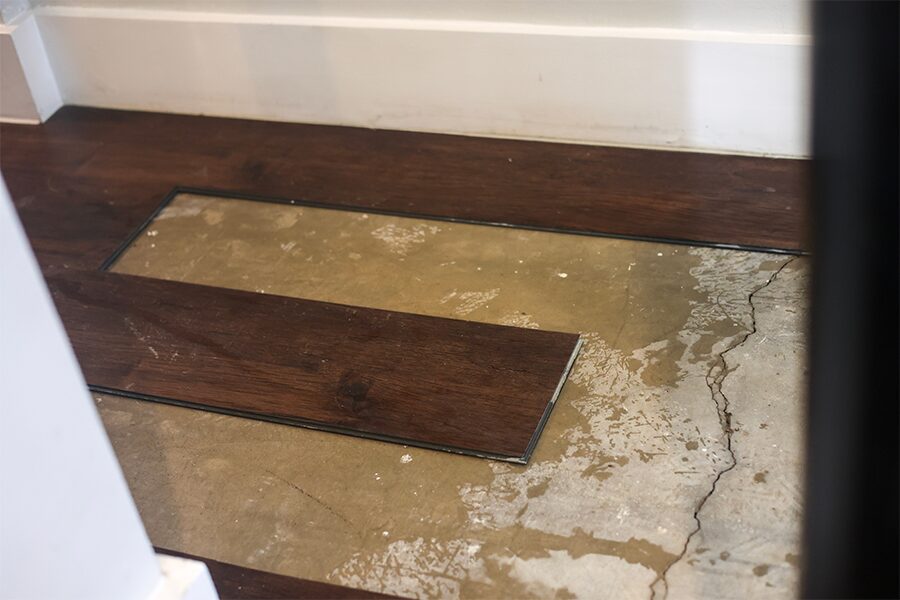
As a homeowner, you never want to think about water damage or plumbing problems lurking beneath your feet. But in areas like Orange County, where homes are built on concrete slabs, slab leaks are a very real concern. These hidden leaks can cause serious damage over time if left undetected.
A slab leak occurs when there’s a break or crack in the water pipes running beneath the concrete foundation of your home. Because these leaks are hidden under the slab, they can often go unnoticed until the damage is extensive and becomes more obvious. Unfortunately, by the time you notice, it might already be too late to prevent significant repair costs.
Understanding what slab leaks are, how to spot the signs, and how to address them can save you money and help protect your home.
The pain point: when water is leaking beneath your feet
Slab leaks are particularly tricky because they’re out of sight. At first, you might not notice anything at all. But even small leaks under the foundation can cause major issues over time. Without clear signs, it can be easy to miss the problem until it leads to extensive damage like:
- Cracked floors
- Higher water bills
- Mold growth due to excess moisture
These issues might not seem directly related to a plumbing problem, but when you notice water pooling on your floor or hear unusual sounds coming from the pipes, it’s time to take action.
How to tell if you have a slab leak
Slab leaks are sneaky. Since the pipes are buried under your home’s concrete slab, you can’t see them. However, there are several signs that suggest you might have a slab leak:
1. Unexplained wet spots on your floors or carpet
If you’re noticing wet areas on the floor, especially in the middle of the room, it could be a sign that water is leaking from the pipes beneath the slab. Sometimes the water might not be visibly pooling, but you might feel the floor is damp in certain spots.
2. Higher-than-normal water bills
One of the most obvious signs of a leak is an unexpected rise in your water bill. Since the leak is constantly running water, you’ll likely notice your bill going up even though your usage hasn’t increased. This is often the first clue that a slab leak might be present.
3. The sound of running water
If you hear water running when no faucets are turned on, this is another sign that something might be wrong. Slab leaks can sometimes be heard as a faint sound of running water beneath the floor, especially if the leak is substantial.
4. Low water pressure or temperature fluctuations
If your water pressure suddenly drops or the temperature fluctuates when you’re using hot water, it could be because a leak is disrupting the system. Slab leaks can damage the pipes, leading to reduced water pressure or inconsistent water temperatures.
What causes slab leaks?
Slab leaks can happen for a variety of reasons. Understanding the causes can help you prevent them from happening in the future:
- Aging pipes: As your home gets older, so do the pipes beneath it. Corrosion, wear, and tear over time can lead to leaks.
- Ground shifting: In areas like Orange County, the ground can shift due to weather conditions or earthquakes, putting pressure on the pipes running under your slab. Aggressive soil erosion and water conditions can cause pipes to scrape and wear.
- Improper installation: Sometimes, if pipes weren’t installed properly to begin with, they can develop leaks much easier than expected.
- High water pressure: Excessive water pressure can weaken pipes over time and cause them to crack or burst.
What to do when you suspect a slab leak
If you suspect you have a slab leak, it’s important to act quickly. Ignoring the signs or delaying repairs can lead to costly damage and repairs later. Here’s what you should do:
1. Schedule a professional inspection
Slab leaks require professional detection. Biard & Crockett has the experience and equipment needed to locate slab leaks accurately. Our plumbing leak detection services can identify the exact location of the problem, so you don’t have to guess where the damage is happening.
2. Turn off your water supply
If you suspect a slab leak, it’s important to shut off the main water supply to prevent further water loss and damage. This can also help lower your water bills while you wait for a professional to assess the situation.
3. Consider repiping
If your pipes are old and have suffered significant damage, repiping may be necessary. Biard & Crockett can help with expert pipe repair and if necessary repiping to ensure your plumbing system is safe and reliable for years to come. The professionals at Biard & Crockett will recommend the best approach for your home and the situation at hand.
Why it’s important to address slab leaks early
The longer you wait to address a slab leak, the more damage it can cause. What might start as a small issue under the foundation can quickly lead to significant damage to your floors and even your home’s structural integrity.
Water from slab leaks can weaken the foundation, damage other systems, and lead to mold growth, all of which can make repairs more expensive and invasive. Taking care of the problem early will save you money and prevent bigger headaches down the road.
Get your plumbing checked today
Slab leaks are not something to wait on. If you notice any signs of a leak, it’s important to act quickly to prevent further damage. At Biard & Crockett, we provide comprehensive plumbing inspections and leak detection services to help you identify and resolve slab leaks before they cause major problems.
To schedule service or learn more about how we can help, contact Briard & Crockett today.